Cork or Screw Cap?
Not just a matter of taste
https://www.bonvinitas.com/media/reviews/photos/thumbnail/780x480c/b1/7f/f5/142_CorkorScrewCap_1318743824.jpg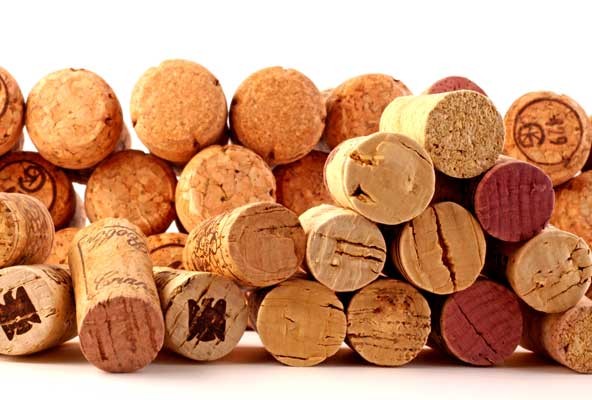
It seems quite logical that putting a screw cap on a wine bottle preserves the Cork Oak forests, and as such is better for the environment. This does indeed appear to be a plausible conclusion, but in fact, it’s wrong.
In order to make a cork closure out of cork oak, the tree itself must be at least 40 years old. The bark, which is the only part of the tree used for making cork products, is peeled off the trunk without harming the actual tree. The bark grows back and can be peeled off again every 9 years. These trees can easily reach an age of 200 years. In that many years, any one tree absorbs a considerable amount of CO2. In comparison, the carbon emissions caused by the production of a single screw cap is 8 times higher than that of a natural cork closure. (PWC, Ecobilan Nov. 2008). Furthermore, forests of such trees provide extensive habitats for flora and fauna. Environmentally speaking, natural corks are the better choice.
In practice, however, and especially when looking at the issue from a wine sales point of view, emphasis is often placed on a completely different aspect: on price. A natural cork cost approximately 55 cents; a screw cap costs only 9 cents. The difference is directly reflected in the selling price of the wine, and of course in the vintner’s turnover.