



Increasingly popular: Crémant de Loire
wonderfully finely sparkling
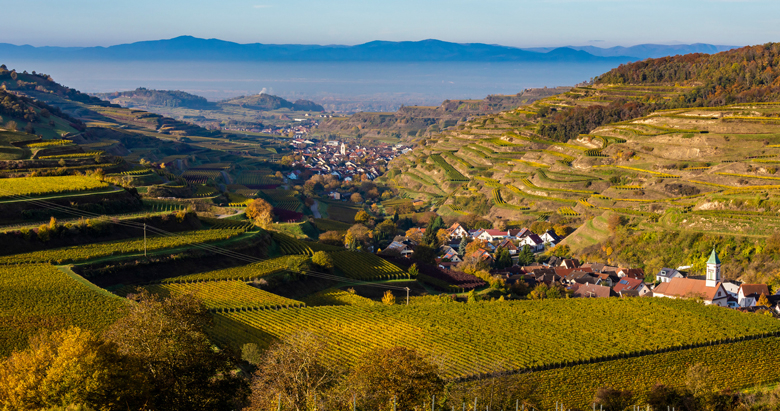
https://www.bonvinitas.com/media/reviews/photos/thumbnail/780x560c/ab/b5/b4/increasingly-popular-cremant-de-loire-100-1769764865.jpg Increasingly popular: Crémant de Loire. Wonderfully finely sparkling. Two examples, as well as a landscape on the Loire with autumn fog. Photo by: Sue Martin - Adobestock
Crémant de Loire
This term was once used to describe older, finely sparkling wines in Champagne, a term that was adopted in other regions of France for up-market sparkling wines. The designation Appellation Crémant de Loire (Appellation, or AOP, meaning Appellation d'Origine Protégée, or Protected Designation of Origin) has been permitted since 1975 under the following conditions:
• from precisely defined areas – see more below
• hand-harvested into small crates
• maximum yield of 100 liters from 150 kg of grapes
• secondary fermentation in the bottle
• bottle-aged for at least nine months on wooden slats, lying on their side
• then placed on wooden frames and disgorged
• marketing no earlier than 12 months after harvest.
Due to the strict protection of Champagne, the designation Crémant for premium sparkling wine was then permitted EU-wide in 1994 under similar conditions to those already in place in the Loire saying for white or rosé sparkling wines from protected designations of origin – with at least nine months of bottle aging on the yeast and a maximum pressure of 3 bar. Therefore, Crémant is foaming generally a little more delicately.
Examples:
A beautiful, pleasant, and stimulating conversation companion.
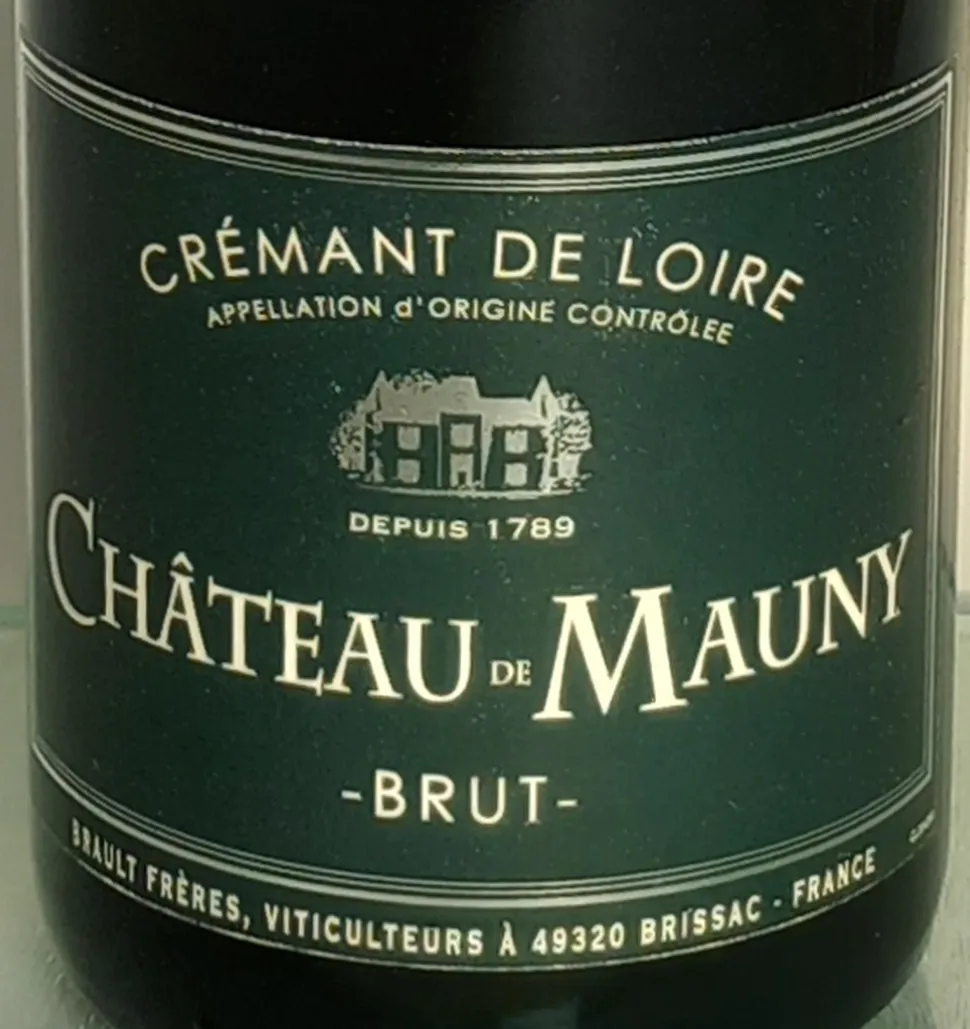 2020 Château de Mauny, Brault Frères, Crémant de Loire blanc brut,
produced by Les Caves de la Loire in Brissac, 12% ABV,
which I rated 90 bonvinitas points - green scale (green for dry wines up to 12%): A very intense, fresh aroma, noticeable upon opening, with hints of summer apples, lemon balm, and linden blossoms; very fine, decent effervescence; on the palate, elegant fruit with notes of lemon zest, kiwi, and fisalis; a subtle, finely mature finish. A very pleasant conversation starter! See our/my rating system.
Elegant – delicate – harmonious
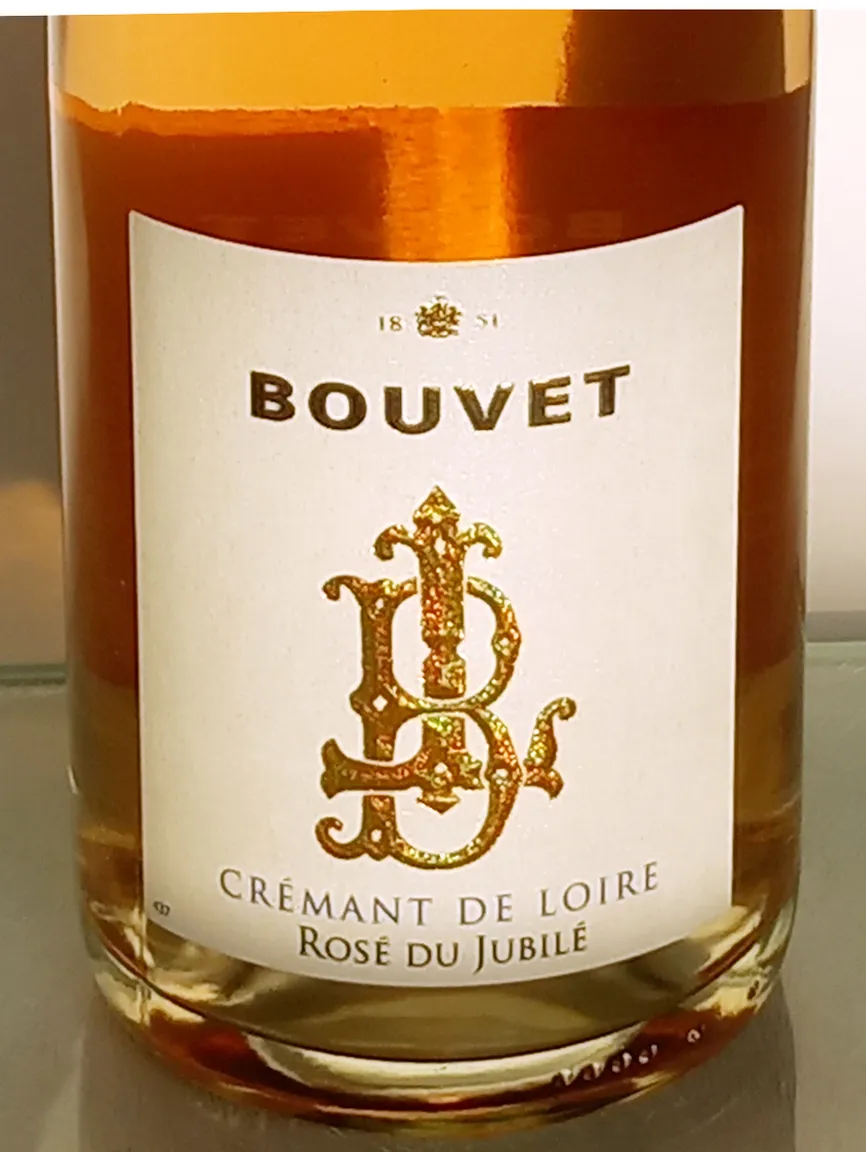 Bouvet Rosé du Jubilé, Crémant de Loire brut
from Bouvet Ladubay in Saint-Hilaire-Saint-Florent, 12.5% ABV, made from Cabernet Franc and Grolleau, which I rated 90 bonvinitas points - red scale (red for dry wines over 12% ABV): a delicate, fresh aroma with notes of strawberries, rhubarb compote, and a hint of pineapple; a vibrant yet fine mousseux; an elegant, refined body with hints of strawberry jam; and a delicate, elegant finish. Excellent with antipasti, finger food, and as a lovely bridge between the main course and dessert.
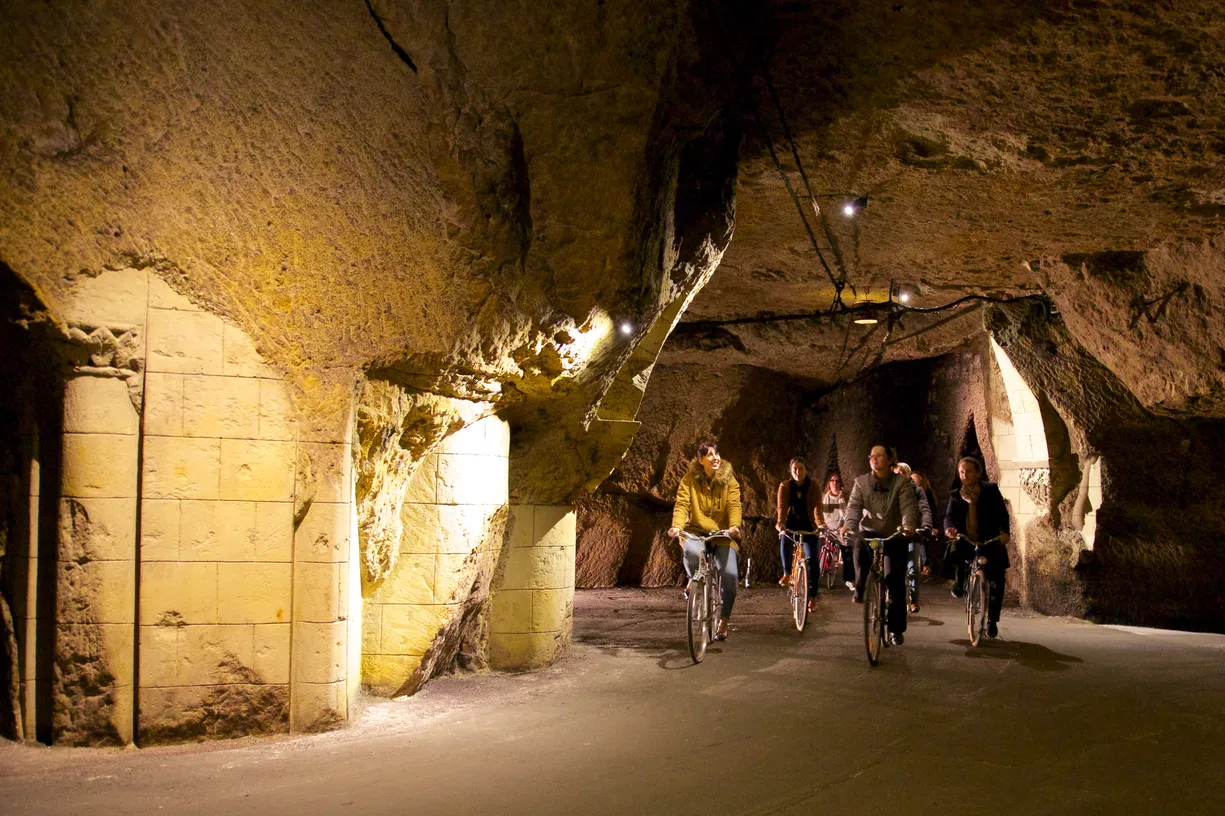 The house of Bouvet Ladubay is an important crémant producer on the Loire, founded in a former monastery cellar of 8 km in length, which can be dug into the soft tuff stone with sacred elements. Today, people even invite you to ride their bikes in it. In 1974, the house was bought by the well-known Taittinger champagne group, but continues to be run by the Monmousseau family, which has been operating since 1932, in order to preserve its family character.
Delicious pairing with Crémant
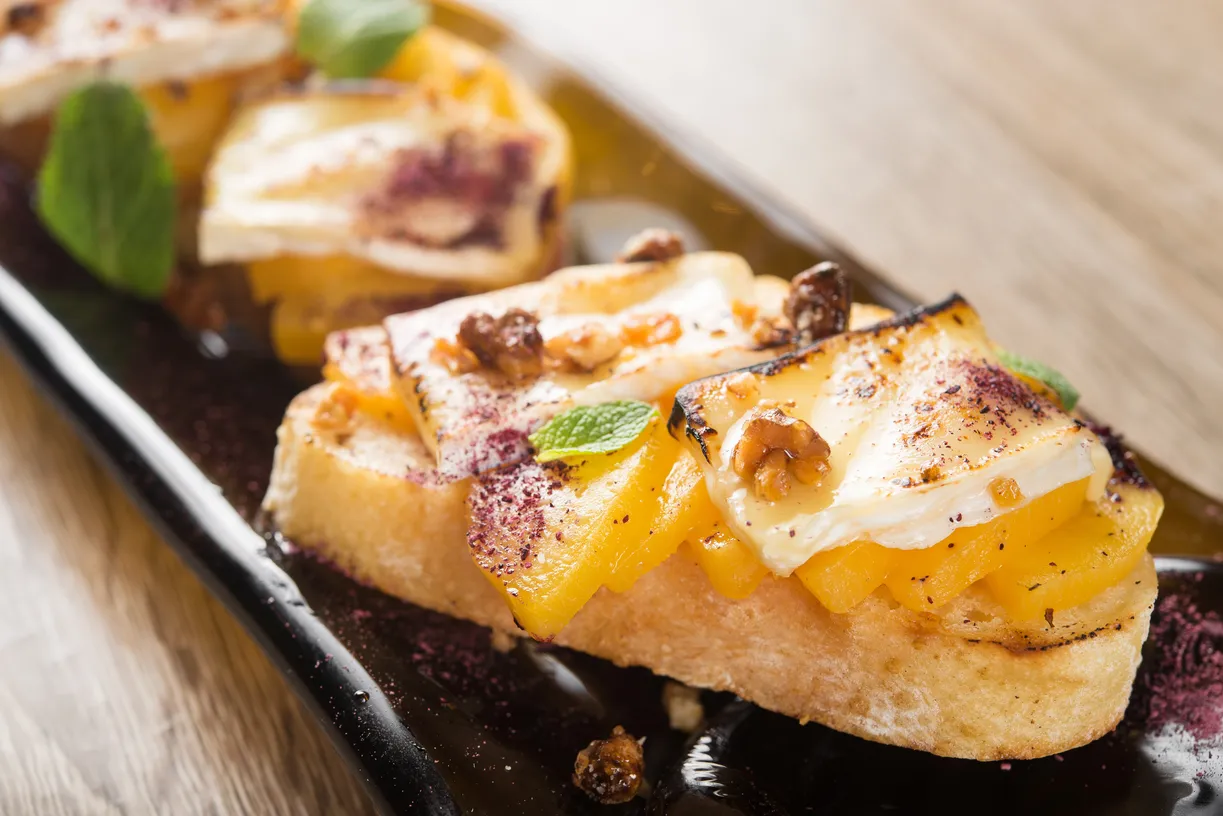
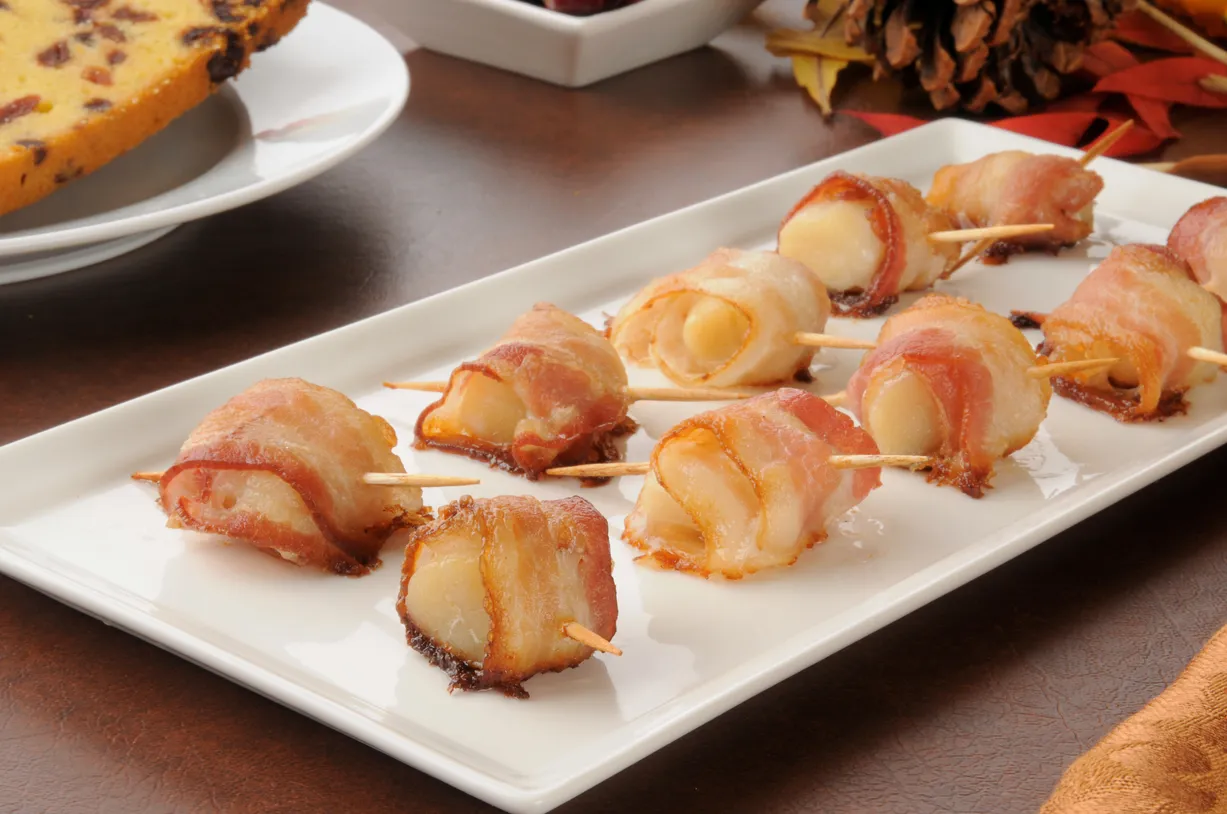
Wonderful accompaniments include snacks, especially for toasting or enjoying, such as bruschetta with grilled peach and brie, or toast with smoked salmon, cucumber and cream cheese, or grilled scallops with bacon.

Mango cheesecake or Pad Thai are also great ideas.


The Loire wine region
 Stretching over 800 km, the Loire Valley, France's third-largest wine region, boasts vineyards scattered across a gently rolling landscape along both sides of the river and its tributaries. The total vineyard area of approximately 42,000 hectares is not contiguous, with only a few vineyards bordering the majestically flowing Loire directly. For comparison, the entire country of Germany has just over 100,000 hectares of vineyards. The majority of these are designated AOP (Protected Designation of Origin) areas with strict criteria. There are 34 such AOPs in total. The soils are predominantly calcareous, though further west, near Angers and beyond, more slate soils from the eroded Massif Armoricain mountains become prevalent.
The Crémant de Loire appellations are nestled and smaller

Although the entire Loire Valley is not solely designated for AOP (Protected Designation of Origin) wines, but also partly for regional wines, the Crémant de Loire appellations within the AOP wine regions are even more narrowly defined. They extend over approximately 250 km along the Loire in the Anjou, Saumur, and Touraine regions, plus the smaller Cheverny region, marked in red on the map – easily viewable as a PDF by clicking. Each of these regions lies within the areas outlined in bold. Incidentally, sparkling wine production there is not new. The Ackermann company began producing the first sparkling wine on the Loire as early as 1811.
Production of Crémant de Loire has almost doubled in 10 years
Since the vines often grow in overlapping AOP regions, winegrowers and wineries are free to choose whether to produce AOP wines from the grapes or to carry out a second fermentation in the bottle with some or even all of the must, allowing the product to mature under the Crémant de Loire appellation. As a result, Crémant production has exceeded 200,000 hectoliters annually in recent years. From the 2024 harvest onward, approximately 3,600 hectares were already dedicated to Crémant production, with this figure continuing to rise. In 2023, Crémant accounted for a remarkable 11% of total production.
The varieties of Crémant de Loire
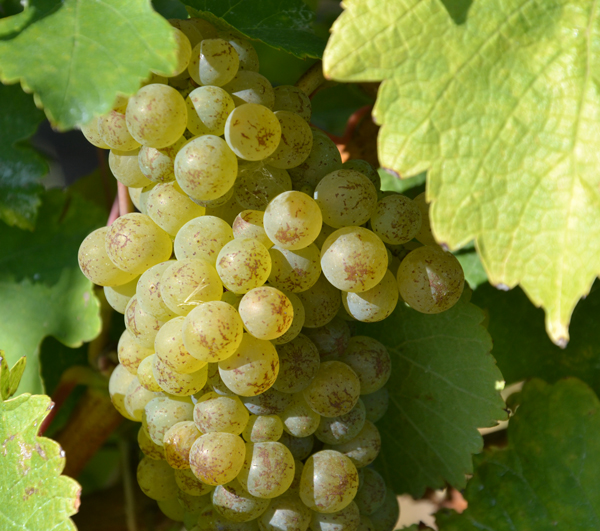 Only certain grape varieties are permitted, from which blends can also be made. For white wines, Chenin Blanc takes center stage, one of the classic Loire varieties that yields fresh white wines. It is found primarily closer to the coast. Chardonnay grows more in the north and south of the appellation on more clay-rich soils. Cabernet Franc plays the leading role in Crémant Rosé.
The Loire – a great tourist area, too
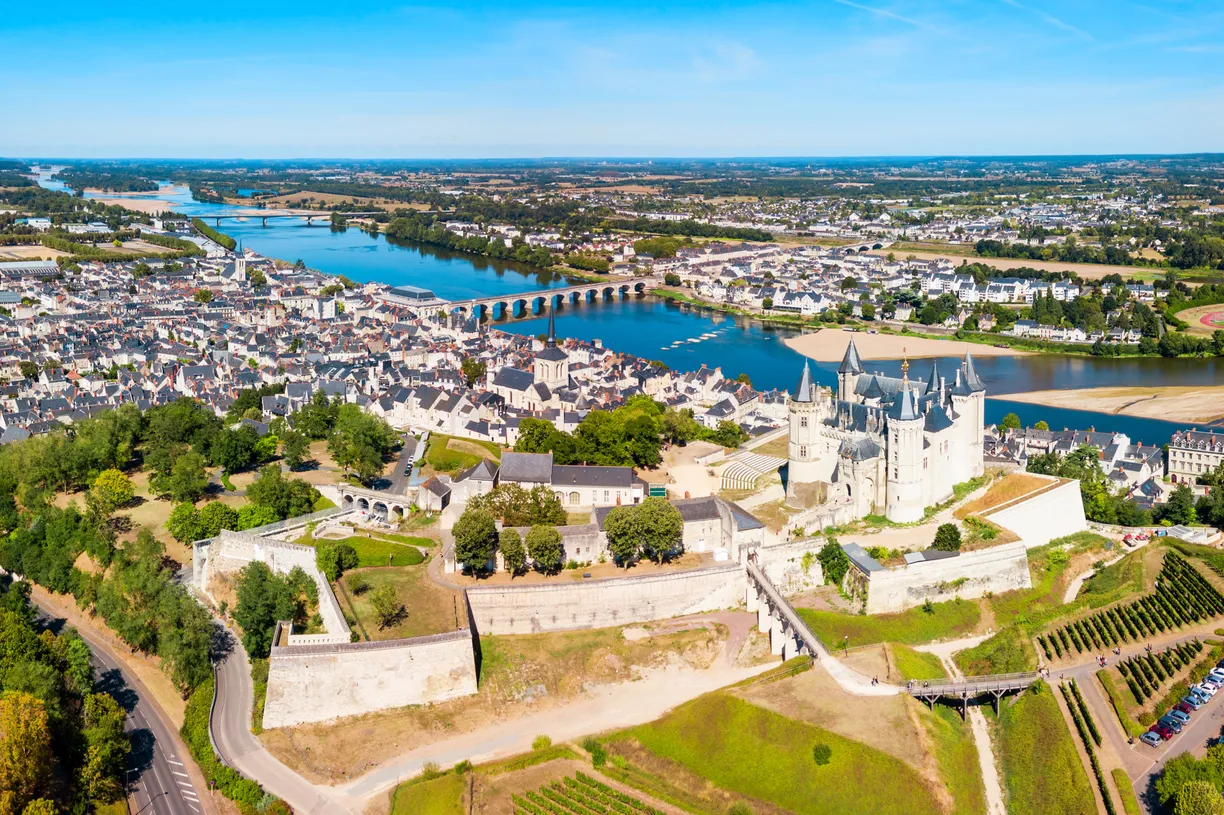
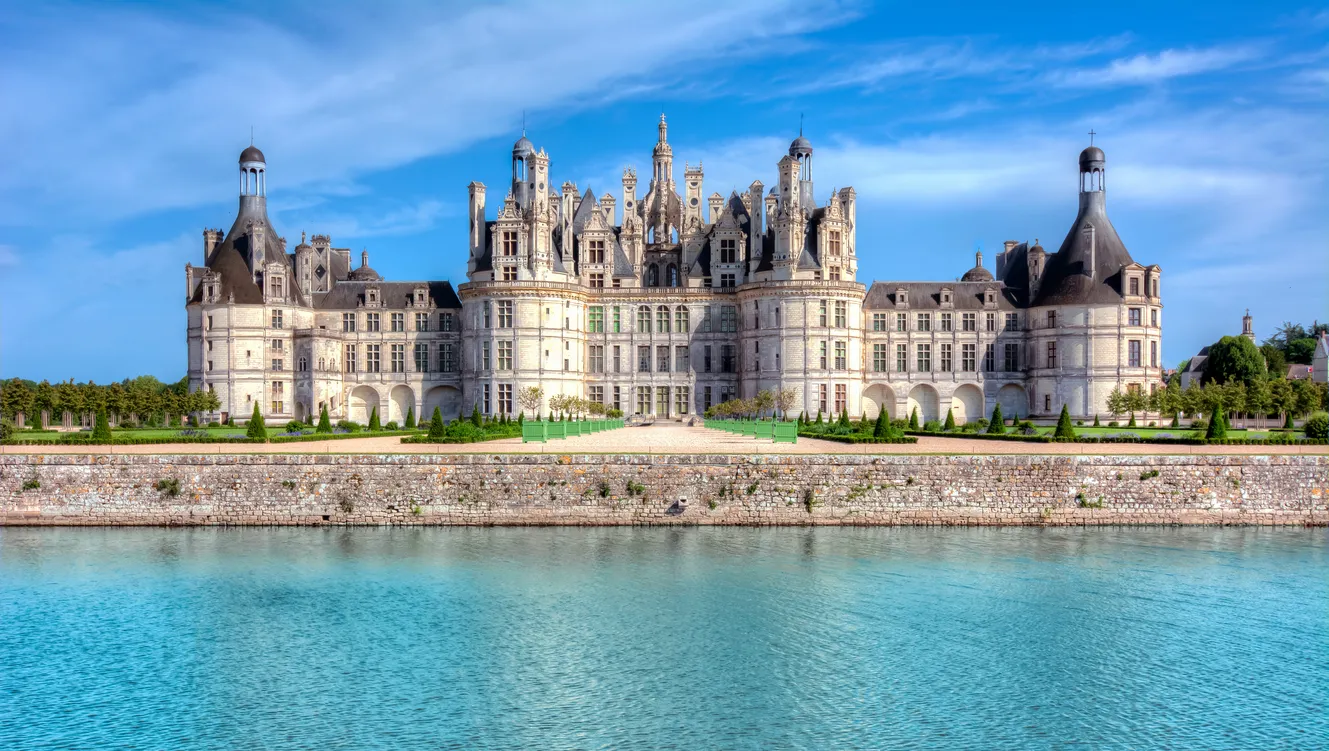
Anyone wanting to enjoy or bring back some superb Crémants should definitely visit. It's a fantastic tourist region. The towns with their castles high above the Loire are particularly striking, as are the royal châteaux of Chambord and Chenanceau, where Catherine de' Medici resided as regent of France. Less well-known is that Blois, on the Loire, was the capital of France during the Hundred Years' War, a period most famous for Joan of Arc. And of course, a visit to the wineries and Crémant houses is a must.
More information at: https://www.vinsdeloire.fr/fr

Text: Dieter Simon, publisher and editor-in-chief of bonvinitas. Source: Vins de Loire. Photos: PR unless otherwise stated, label photos: bonvinitas